
the fire gap
Where you are born should not determine whether anyone is coming to save you
Across the world, communities face the same emergencies with very different levels of protection.
Some have well funded fire and rescue services. Others are expected to protect growing populations without the vehicles, equipment, training or infrastructure they need.
This is the Fire Gap.
THe Fire Gap is the difference between the fire and rescue capacity a community needs and the capacity that investment has enabled it to build.
WHAT IS THE FIRE GAP?
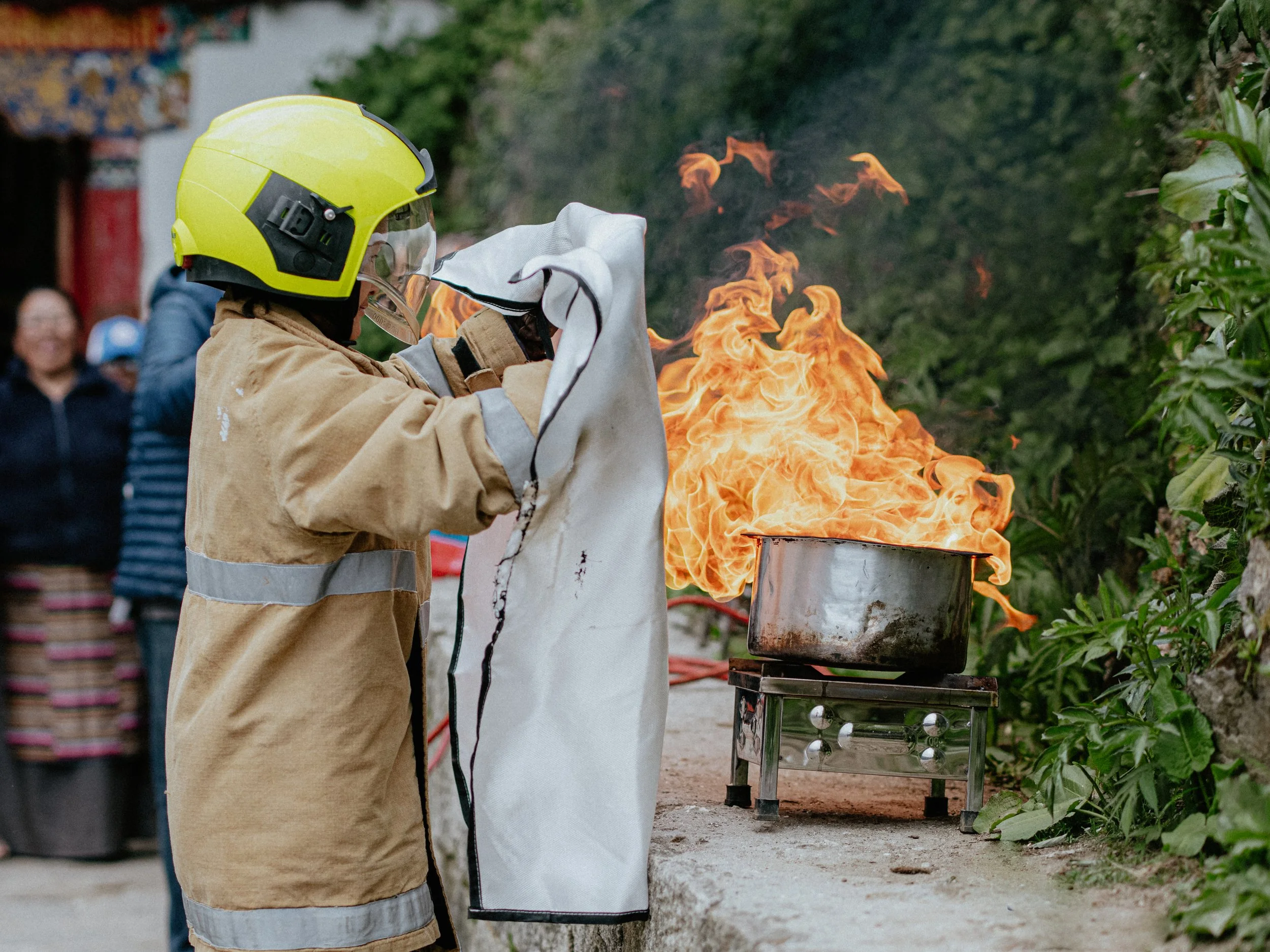
Two communities. The same fire. A different outcome. In one community, firefighters arrive within minutes. They have a working vehicle, protective equipment, breathing apparatus and the training to use it. The fire is contained. People survive. Life carries on.
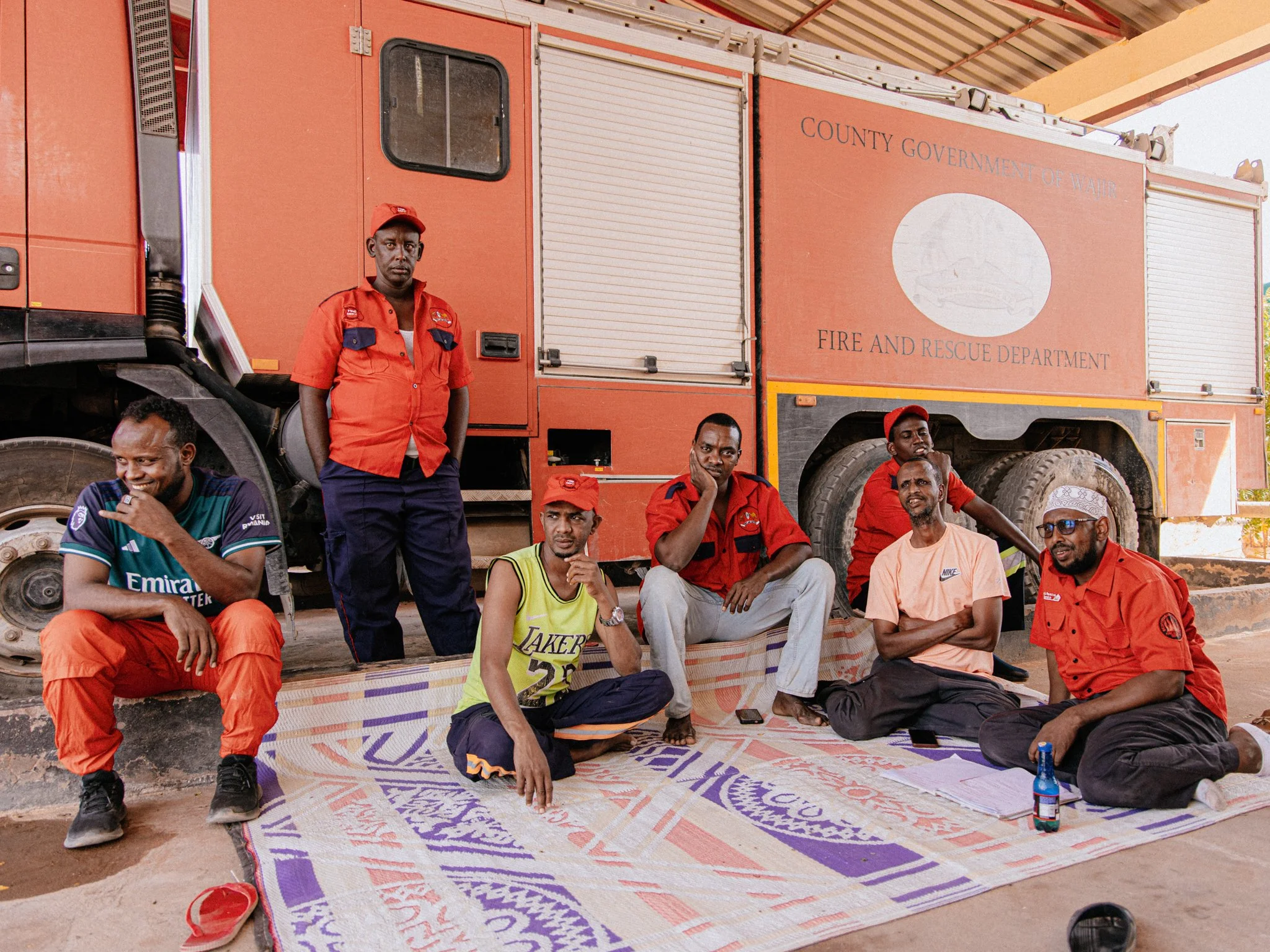
In another, the nearest working fire engine may be more than an hour away. The available vehicle is decades old. Essential equipment is missing or cannot be maintained. Firefighters have the skill and determination to respond, but the service has not received the investment it needs.
The fire is the same. The outcome is not.
THE FIRE GAP IS A FUNDING GAP
Fire and rescue is essential public infrastructure. It protects people, homes, schools, hospitals, businesses, roads and livelihoods. But it is rarely treated as a major international development priority.
Many local and national governments cannot finance stations, vehicles, protective equipment, communications, maintenance and professional training through existing budgets alone. International development funding should help close that gap, but fire and rescue often sits between different systems and funding responsibilities.
It can be treated as part of local government, public safety, disaster risk reduction, humanitarian response or climate resilience. Without a clear institutional home, it can become the responsibility of everyone and the priority of no one.
International development finance can support fire and rescue, but the sector is recorded within a wider governance category. The global humanitarian cluster system also has no dedicated fire and rescue cluster. In practice, this can make the sector less visible to funders, policymakers and international agencies.
“When resources are limited, we must be strategic. Investing in disaster risk reduction is not just wise—it is essential. It saves lives, protects livelihoods, and delivers the strongest return on investment.”
why closing the gap matters
A fire and rescue service is not an optional extra.
When local services cannot reach an incident in time, fires spread further, collisions become more deadly and floods cause greater harm. Firefighters are also placed at greater personal risk when they respond without suitable equipment or support.
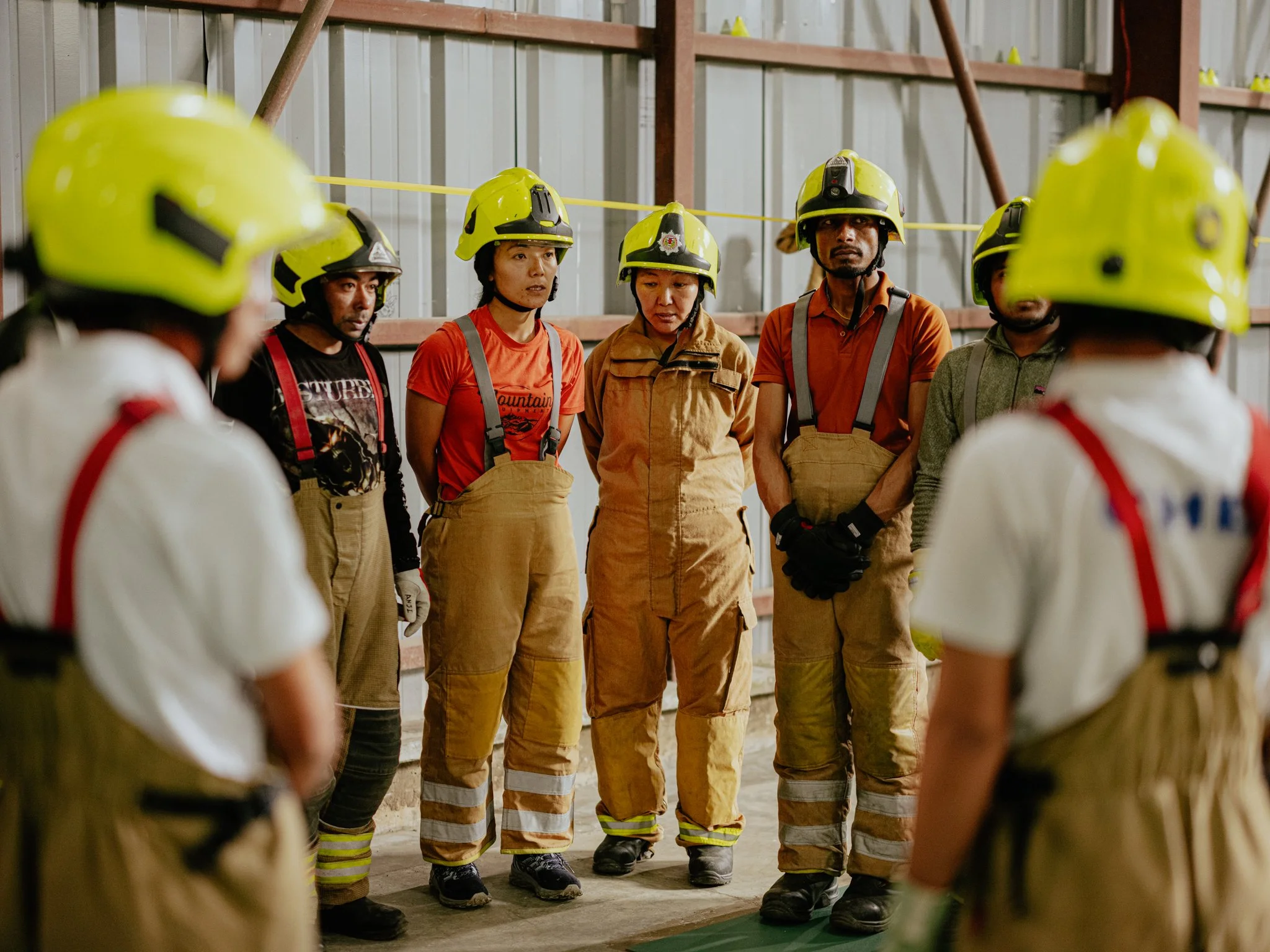
Strong local services can contain emergencies earlier, protect essential infrastructure and help communities recover more quickly.
That is why fire and rescue belongs within international development, disaster risk reduction and resilience planning.
International development should not only respond to disasters.
It should invest in the local systems that stop emergencies becoming disasters.
“The Fire Gap is structural. Closing it must be structural too.”
THE FIRE GAP CAN BE CLOSED
The Fire Gap is not inevitable. It exists because fire and rescue has been overlooked in long-term international development and investment.
FIRE AID connects local services with the equipment, expertise, funding and professional networks they need to strengthen their own systems. Local priorities lead the work. Knowledge stays within the service. Each partnership strengthens a global network that can respond to the next challenge.
Closing the Fire Gap takes local leadership, long-term investment and a global fire community working together.
PUT FIRE AND RESCUE ON THE DEVELOPMENT AGENDA
International development should fund the systems that protect communities before, during and after an emergency. Join the global fire community building resilience together.