TRAINING AT EVEREST FIRE AND RESCUE
BRITISH SEARCH AND RESCUE EXPERT LEADS TRAINING MISSIONS IN NEPAL
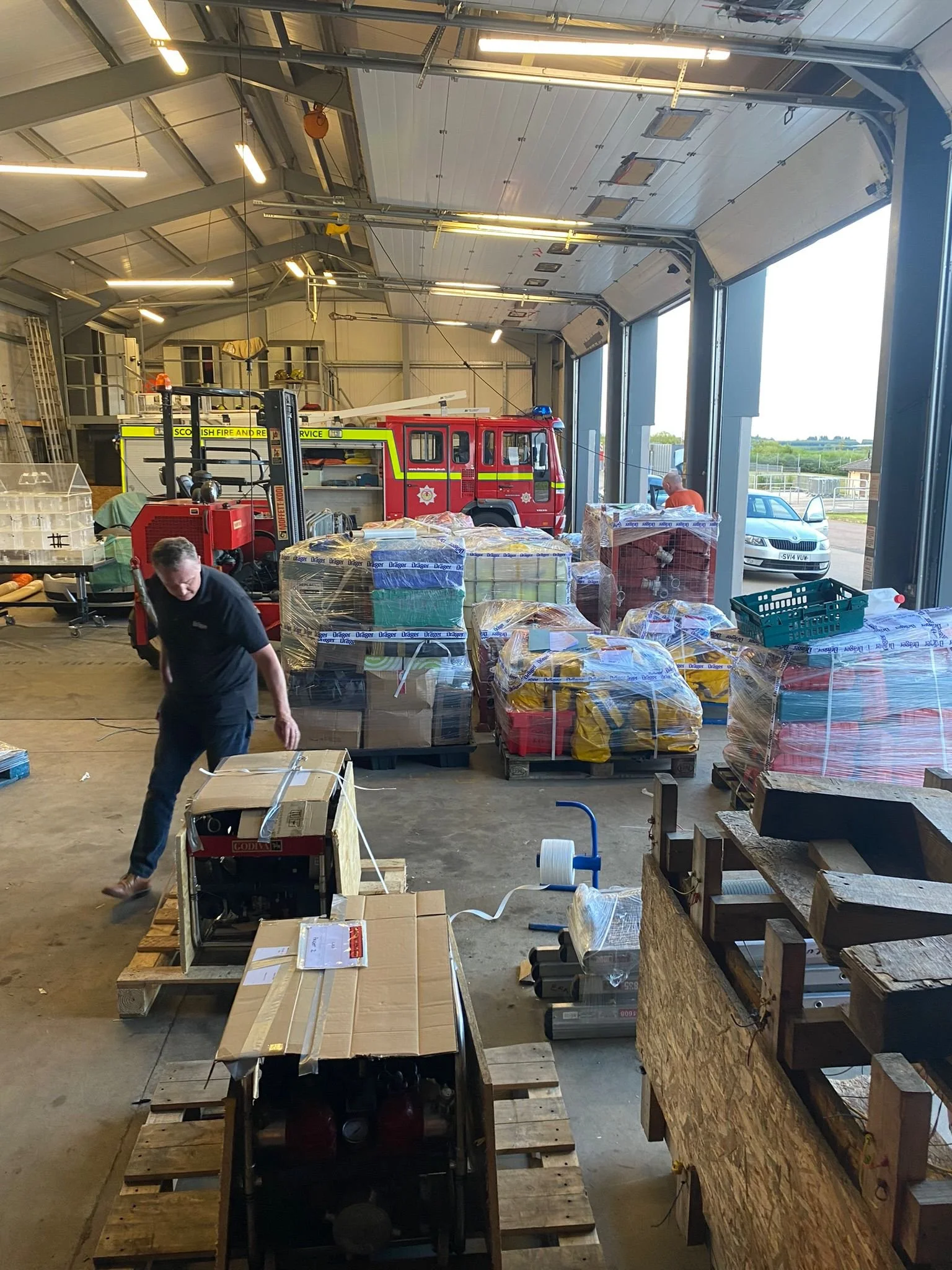
Watch Commander (WC) and FIRE AID team leader, John Aitchison, has dedicated the past decade to strengthening Nepal’s disaster response capabilities. His journey began with his deployment to Nepal in 2015 as part of the British Government's official disaster response team following the devastating earthquake that year. Profoundly affected by the experience, Aitchison committed himself to aiding Nepal in preparing for future disasters. Since then, he has returned nine times, delivering repurposed equipment and spearheading training initiatives.
BUILDING CAPACITY ACROSS DIVERSE GROUPS
Over the last decade FIRE AID’s efforts have benefited a wide range of groups in Nepal, including the British Gurkhas, Nepal Armed Police Force, municipal fire services, and the Nepal Rescue Battalion. In recent years, Team Leader, Aitchison co-founded Everest Fire and Rescue, the official emergency service for Nepal’s Everest region, marking a significant milestone in his mission.
RECENT MILESTONES IN DISASTER TRAINING
In March 2024, the FIRE AID Nepal mission concluded successfully, but Aitchison’s work did not stop there. By November 2024, he was back in Nepal leading a team of 10 multi-disciplinary professionals from the fire service, mountain rescue, and NHS to Nepal. A key highlight of this mission was a two-week Urban Search and Rescue (USAR) training course for 15 officers of the Nepal Armed Police Force at the Kurintar Disaster Training Academy. This initiative took over a year of planning and diplomatic coordination involving the British Embassy and the Nepal Government.
“There is a lot of work that goes on in the background,” said Aitchison. “Logistics, risk assessments, multiple meetings, feasibility studies, and reports are necessary to gain official approval for our projects. It’s not just a case of showing up and training.”
SCALING NEW HEIGHTS WITH EVEREST FIRE AND RESCUE
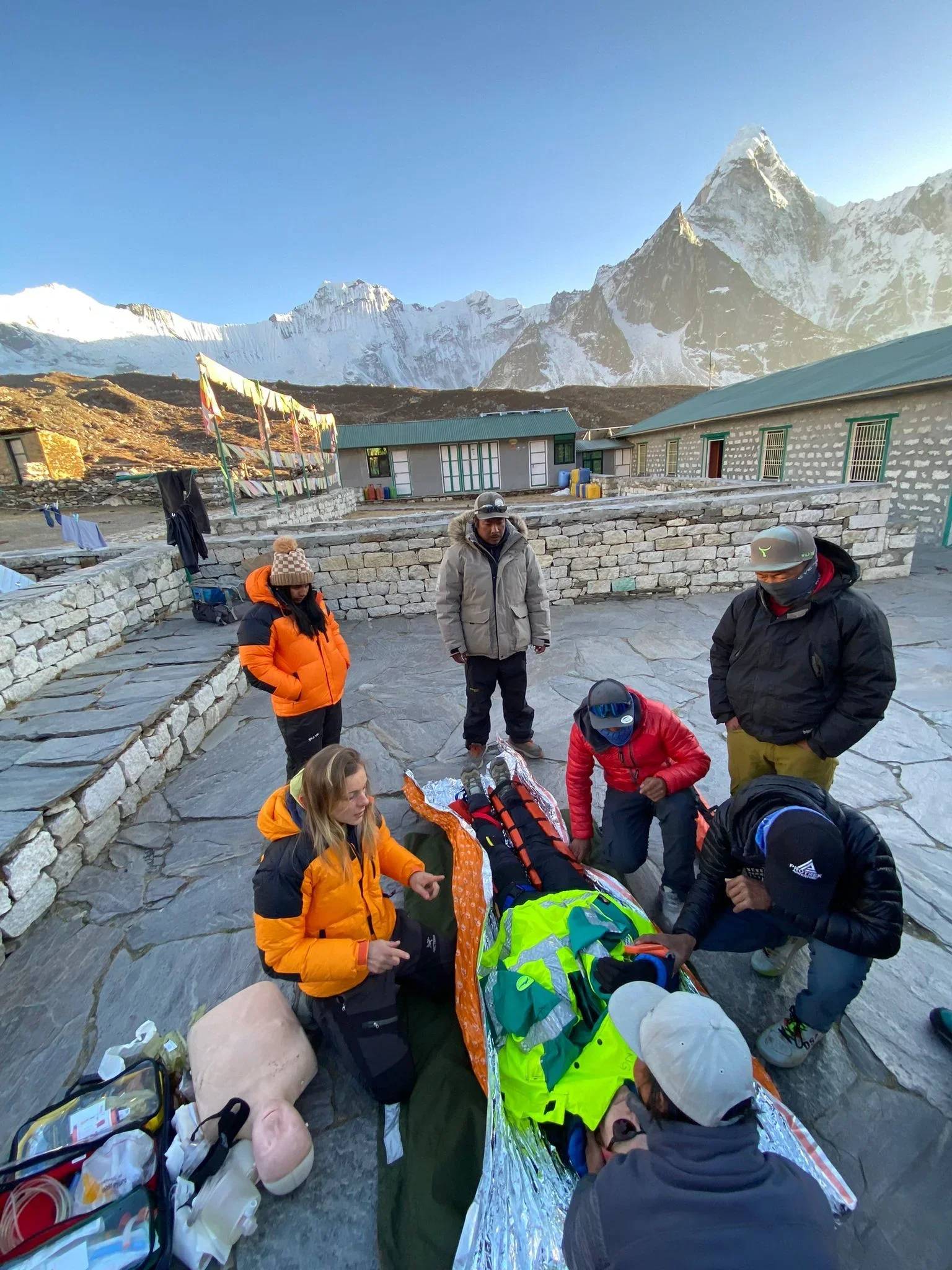
Aitchison’s primary mission in Nepal is developing Everest Fire and Rescue. During a four-week period in November and December 2024, his team trained 166 new firefighters and delivered 3.5 tons of medical and search-and-rescue equipment to remote villages. Equipment was transported to Lukla by fixed-wing aircraft and then carried by porters to altitudes as high as Chukhung at 4,730 meters—now home to the world’s highest fire station.
This sustainability-focused mission avoided helicopter transport, emphasizing carbon footprint reduction. Operating in such extreme conditions was physically demanding, but the team’s two doctors and two medics ensured everyone’s health and well-being.
BEYOND FIREFIGHTING: COMMUNITY AND CLIMATE ACTION
In addition to firefighter training, the mission’s doctors trained 220 schoolchildren in first aid and CPR, equipping rural communities with life-saving skills.
The region’s vulnerability to climate change also featured prominently in the mission. Dr. Matthew Lee, an expert in climate change, joined geologists in assessing the damage caused by a recent glacier burst in the village of Thame. His findings will inform Everest Fire and Rescue’s disaster management plans and be shared with local authorities to bolster community resilience.
LOOKING AHEAD: A DECADE OF COMMITMENT
As Nepal approaches the 10th anniversary of the 2015 earthquake, Aitchison is planning two training missions for 2025. His unwavering dedication underscores his belief in Nepal’s potential to strengthen its disaster response infrastructure.
“My family and friends have accused me of being obsessed with helping Nepal, and I agree.”
Aitchison admitted.
“You have to be obsessed to make it happen.”
HOW TO SUPPORT
To support our Nepal Project, visit Fire Aid Nepal JustGiving Page.