
THE GAMBIA
THE GAMBIA’S FIRE AND RESCUE SERVICES FACE SERIOUS RESOURCE GAPS
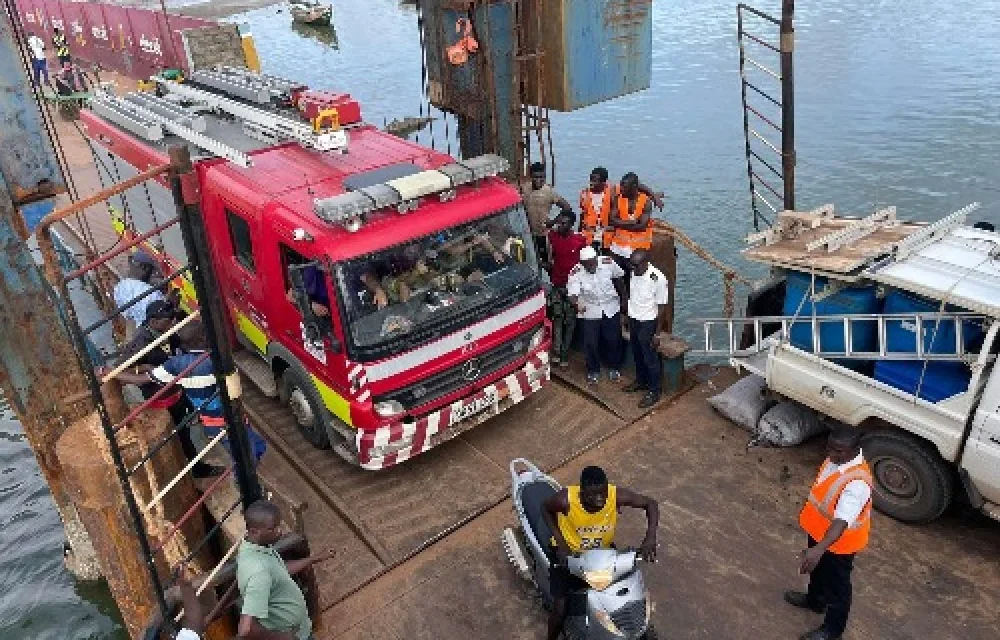
In The Gambia, firefighters can face long journeys to reach an emergency, limited access to firefighting water and major gaps in the communications systems used to mobilise and coordinate crews. There is no national 999-style emergency number and no service-wide radio network. In some areas without running water, there are no hydrants for crews to draw from.
FIRE AID is working with The Gambia and Avon Fire Services in Partnership (GAFSIP) and Emergency Services Aid Charity, to strengthen the capacity of the Gambia Fire and Rescue Service.
our impact since 2019
EMERGENCY RESPONSE DEPENDS ON MORE THAN FIRE ENGINES
Many communities in The Gambia do not have running water. Without hydrants, firefighters may have only the water carried on their appliance. Communications can also slow a response. There is no national emergency number or service-wide radio network, so crews rely on mobile phones and WhatsApp to coordinate.
More fire engines can extend coverage. But effective emergency response also depends on access to water, reliable communications, protective equipment and trained crews.
Our response
Working with the Gambia Fire and Rescue Service, FIRE AID brings together UK fire services, charities and partners to turn surplus resources into operational capability. From fire appliances and PPE to specialist rescue equipment and training, we help ensure that the right resources reach firefighters—and that they have the skills to use them when lives depend on it.
VEHICLES MATCHED TO OPERATIONAL NEED
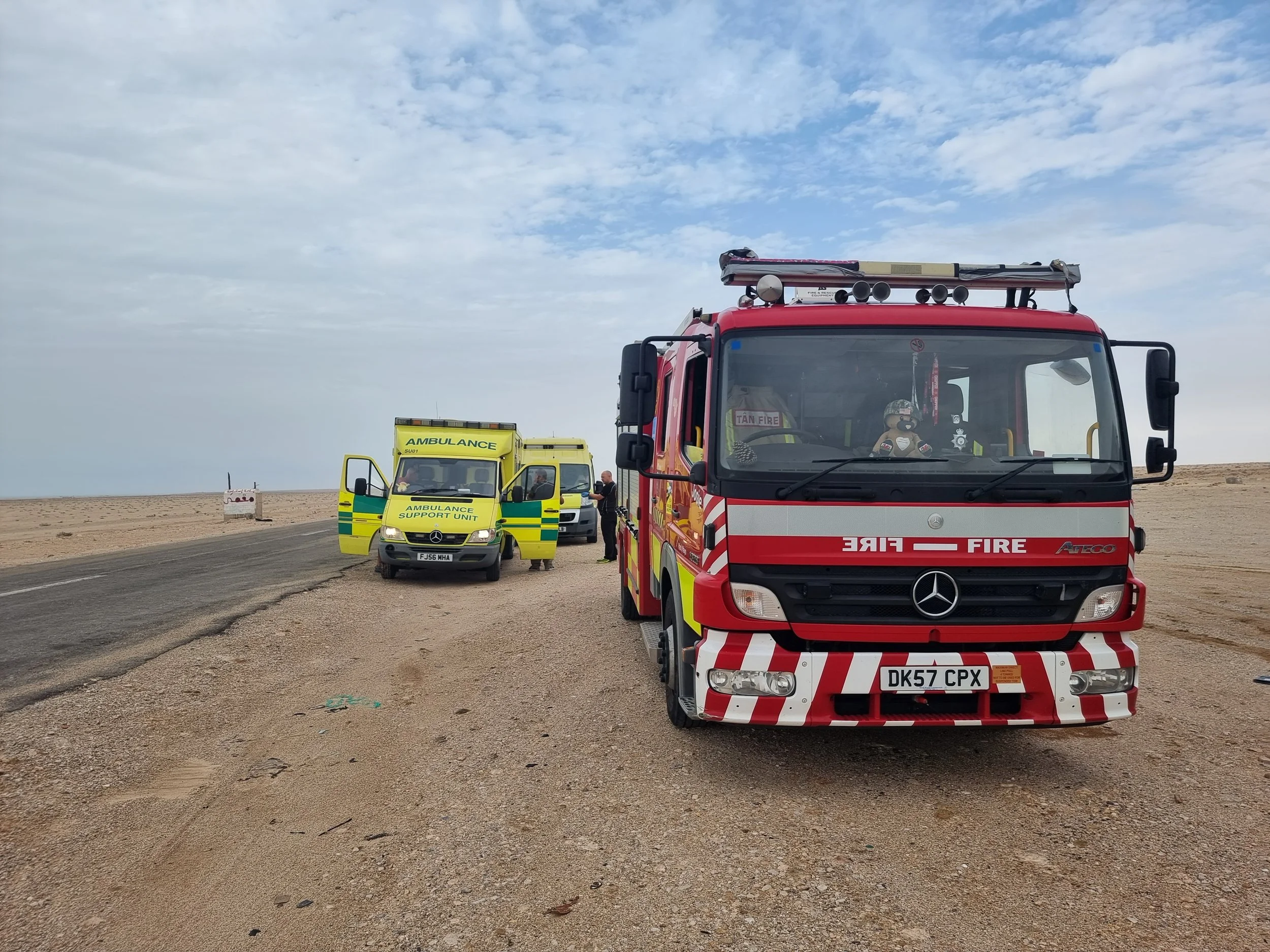
Suitable decommissioned emergency vehicles are identified through the FIRE AID network and matched to need in The Gambia.
The vehicles form part of a wider programme which brings together Avon Fire and Rescue Service and UK NGO, Emergency Services Aid Charity. By pooling resources and expertise, we have improved access to vehicles, PPE and specialist rescue equipment, donating over 76 vehicles and 247 tonnes of essential equipment.
The objective is to increase the number of operational resources available to Gambian crews and extend the reach of emergency response.
PROTECTING Responders
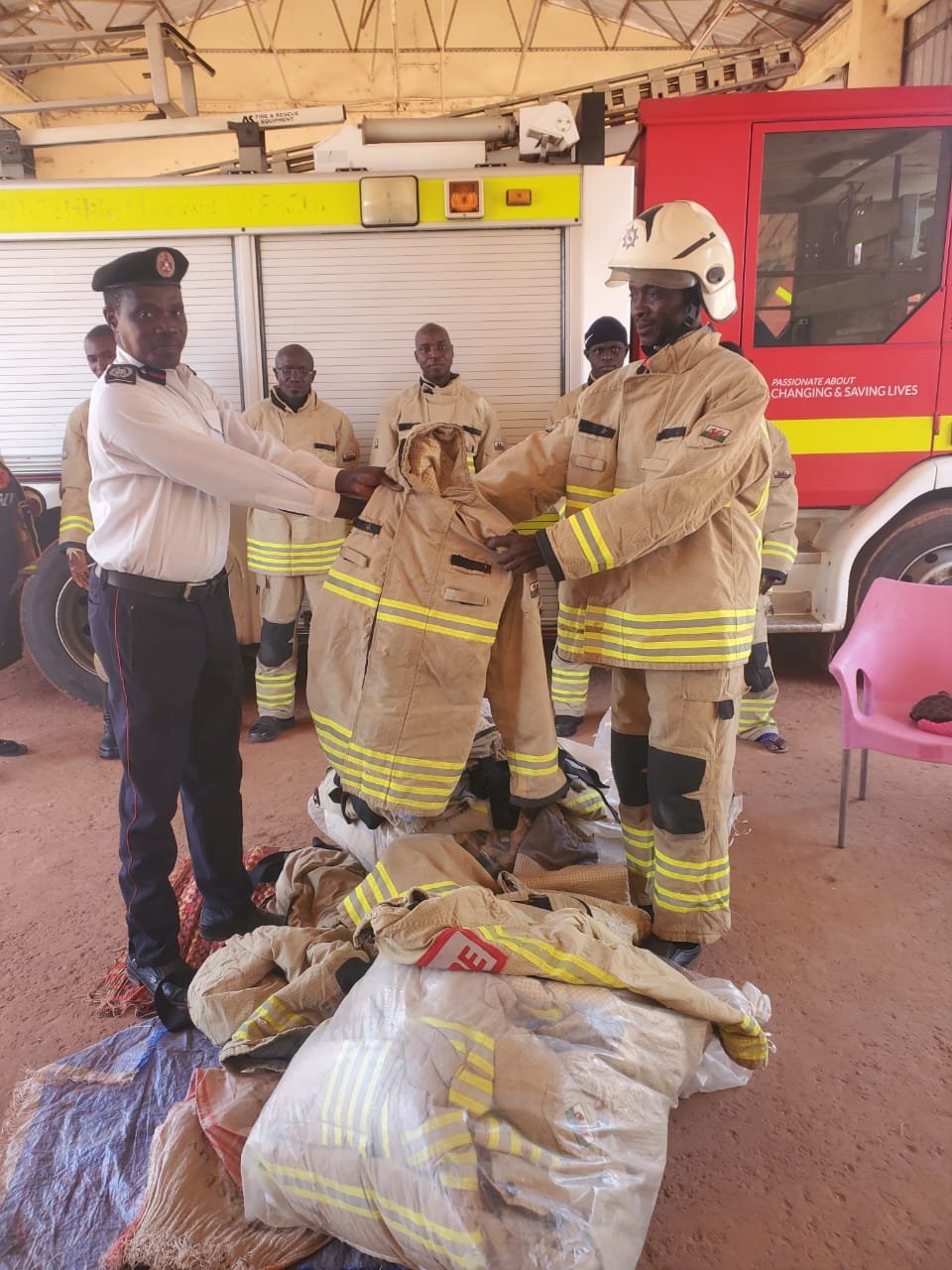
Personal Protective Equipment (PPE) has been a major part of the programme alongside vehicles and rescue equipment. Since the partnership began, nearly all Gambian firefighters have been equipped with modern PPE.
That means strengthening emergency response also means strengthening the safety of the crews expected to deliver it.
TRAINING ALONGSIDE EQUIPMENT
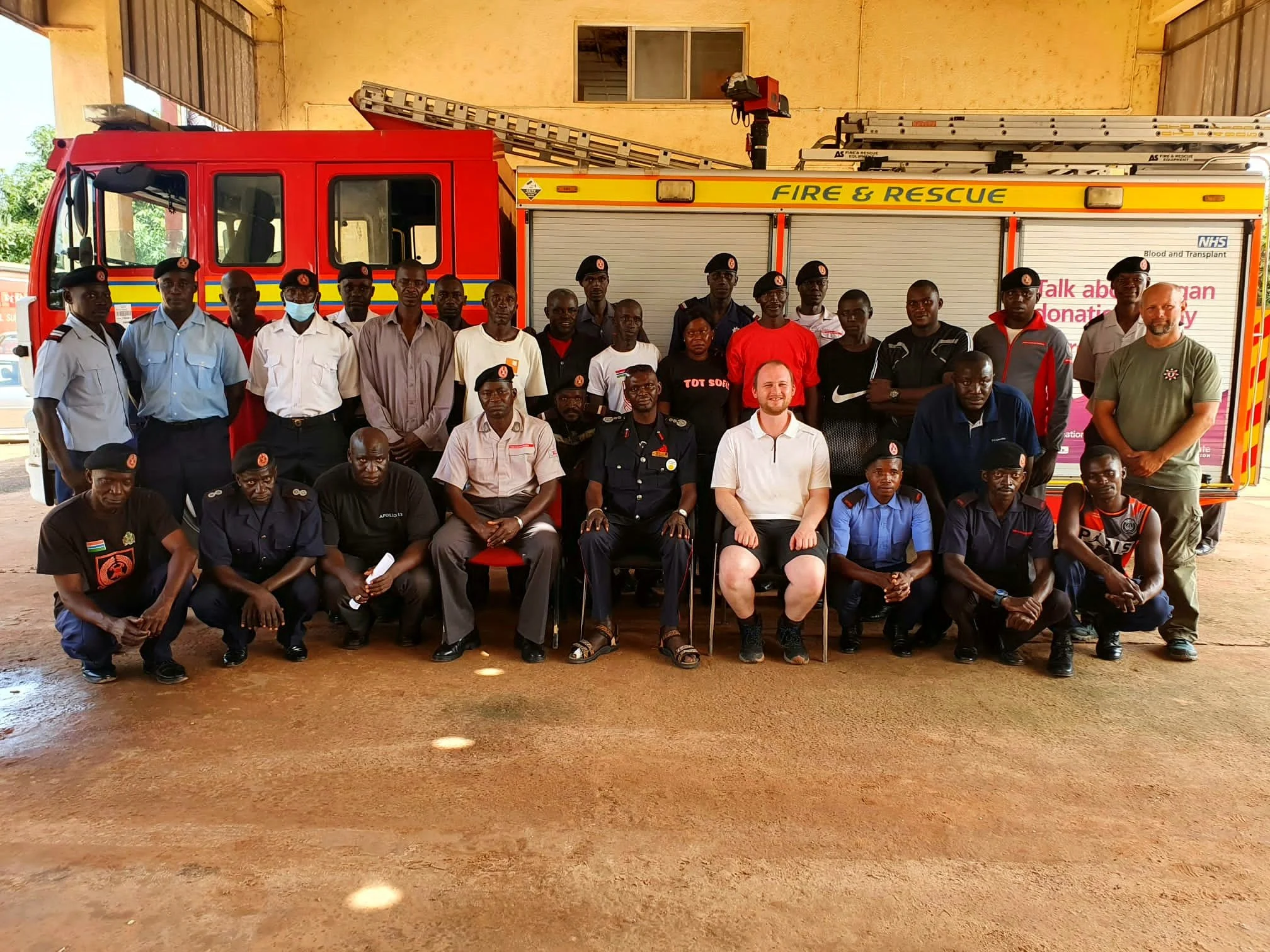
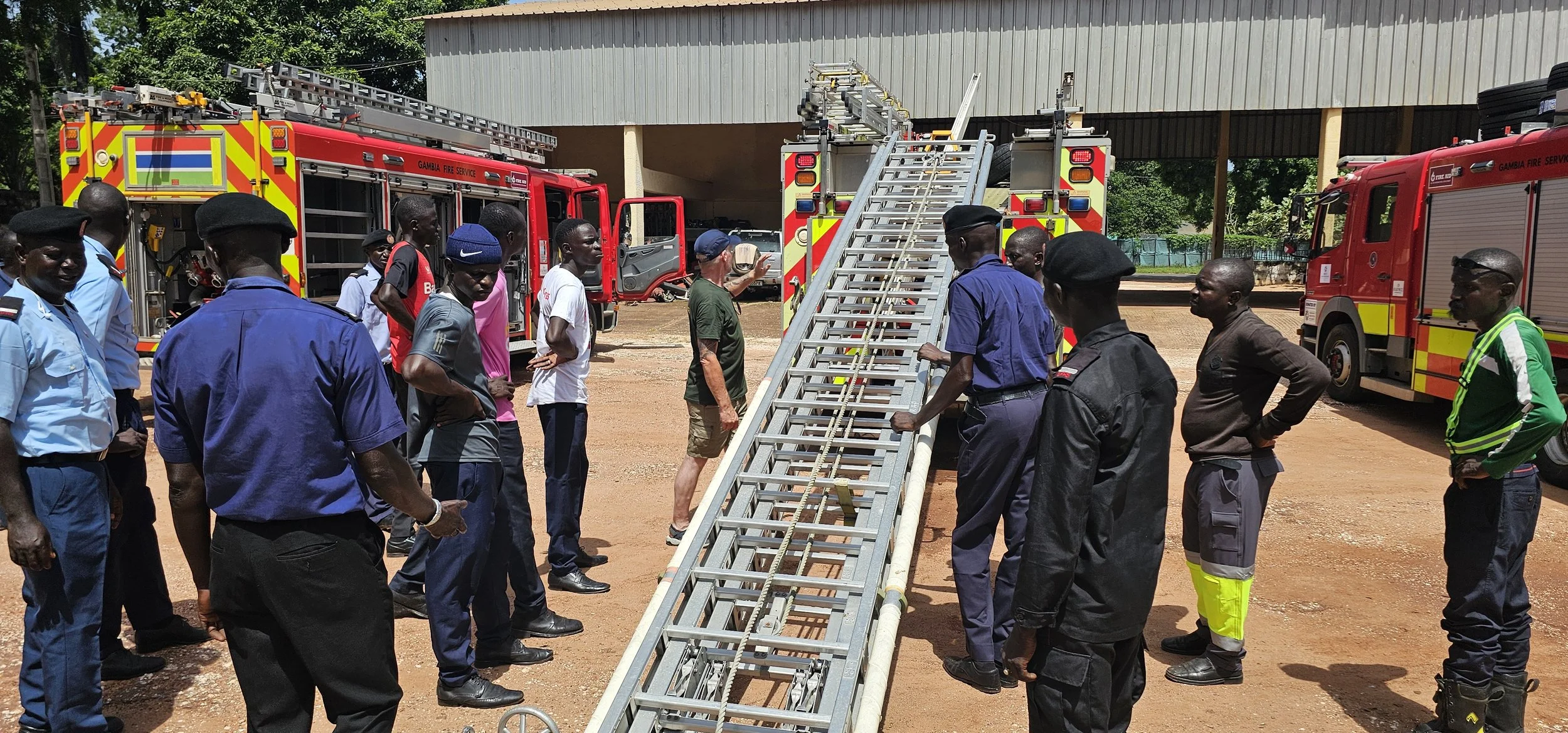
Training forms part of the transfer. Crews received hands-on training following every equipment donation. 23 training programmes have been delivered reaching every firefighter in The Gambia.
This approach helps ensure new resources can be put into service quickly and safely, while knowledge remains within the service after visiting teams leave.
project Timeline
2019
The Gambia Fire & Rescue Service (GFRS) is operating with just six fire stations and appliances for the entire country. There is no ‘999’ equivalent, no radio network, and many areas have no running water for hydrants, so crews rely on phone calls, WhatsApp and messengers on foot.
- 6 fire stations nationwide
2022
FIRE AID partner The Emergency Services Aid Charity (ESAC) drives “Operation Zephyr,” a 4,000-mile convoy from the UK through Spain, Morocco, Western Sahara, Mauritania and Senegal to The Gambia, delivering 18 vehicles and doubling the national fire appliance fleet. Dan McNulty delivers three days of hands-on training to crews at Baku.
- 18 vehicles delivered
- Fleet doubled to 12 appliances
2023
ESAC launches the appeal for “Operation Zephyr 2024,” asking supporters to fund the next convoy at 75p a mile. Three further fire appliances are already secured through FIRE AID and North Wales Fire & Rescue Service, with organisations invited to sponsor and brand vehicles.
- 3 appliances secured early
Sept 2024
A second convoy completes the 4,000-mile Sahara crossing, delivering 20 more emergency vehicles — seven of them fire engines — along with PPE, boats and water rescue equipment. The team trains crews on-site and meets Gambia’s Minister of the Interior; one new fire engine responds to its first incident within hours of being stationed.
- 20 vehicles delivered
- 7 fire engines
- 20 firefighters trained in person
Oct 2024
FIRE AID publishes a recap of the combined impact: nearly all Gambian firefighters are now equipped with modern PPE, and the national emergency vehicle fleet has effectively doubled overall since ESAC’s involvement began in 2022.
- 340 attendees at FIRE AID event
- Fleet effectively doubled overall
firefighter to firefighter
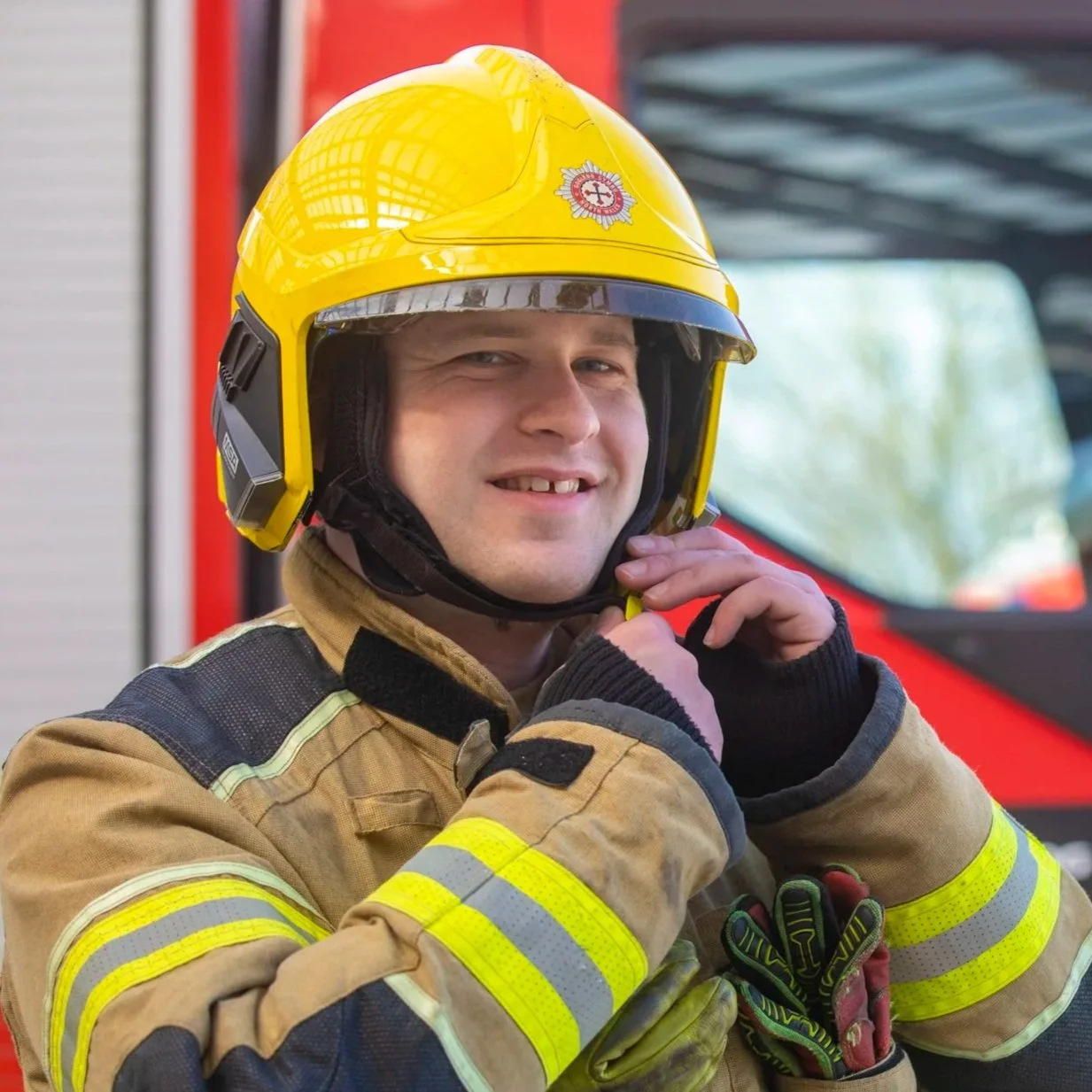
Dan McNulty spent almost ten years with North Wales Fire and Rescue Service, working in emergency response, incident management and community safety. He has also supported emergency service projects internationally, including working alongside firefighters in The Gambia.
While working with a crew there in 2022, Dan saw how limited communications infrastructure can affect emergency response. “There is no ‘999’ system in The Gambia… There are no radio systems available to the GFRS, so they must rely on WhatsApp and mobile phones.”
The Gambia News
Become part of the story
Every FIRE AID project is built through collaboration. Whether you represent a fire and rescue service, a company or simply want to support our work, there are many ways to help strengthen fire and rescue capability around the world.
aBout the data
Figures on this page are drawn from FIRE AID operational records, project reports and visits. Data reflect the reporting period stated and equipment totals are recorded at the point of transfer